
Mobile Threat Defense
You shouldn't leave the protection of your mobile devices against cyber threats to chance. As a DaaS provider, we believe it is very important to offer a comprehensive service—this includes the best possible protection of devices against mobile attacks.
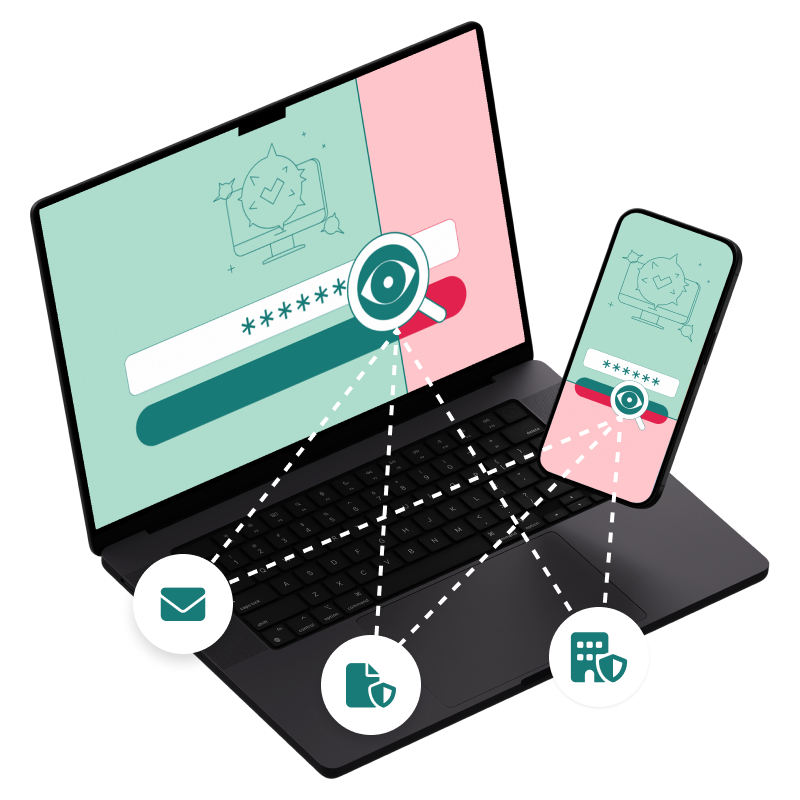
Mobile Threat Defense: Why is it so complicated?
The fundamental challenge is to find a secure MTD solution at a reasonable cost—and to integrate it into the software landscape with predictable effort.
Timing
Time is pressing, but IT security projects are complex and lengthy. Diversified solutions generate long-term expenses.
Costs
Security solutions and service providers are expensive, in particular the administration of several parallel security tools.
Alignment
The decision to use a security tool has far-reaching consequences and must be coordinated with stakeholders.
Configuration
The time and effort required for configuration is often underestimated. Managing tools and/or providers is labor-intensive.
Know-how
Staff training to build internal knowledge and hire competent IT resources costs time and money.
Operation
Not only do configuration and deep integration require effort, but so does ongoing operation.
More than just security software: Mobile Threat Defense
At Everphone, we see Mobile Threat Defense as more than just security software. Our aim is to bundle all services related to mobile devices in companies. The goal: high cost efficiency and reduced workload with maximum data security.
Comprehensive protection on all attack vectors
We want to protect your data across the entire attack surface: apps, OS, files, networks. In addition to licensing an MTD tenant, we provide support for policy definitions, SIEM integration, and tenant setup.
Easy deployment, even for large device fleets
Our service ensures that entire fleets of devices are secured at the push of a button. Even if there are thousands of devices involved: the MTD solution is deployed across the entire fleet within minutes.
User-friendly and data protection compliant
Mobile threat defense software must not impair the performance of the devices. At the same time, data protection requirements (GDPR, NIS-2 etc.) and works council requirements must be met.
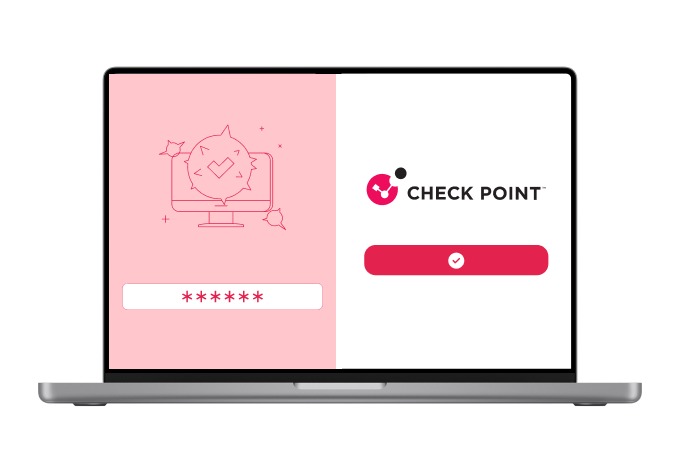
Cloud-based sandboxing with Check Point
Licensing a security solution is a cornerstone of our security package. Together with our partner Check Point, we provide "Mobile Security" licenses and support you with deployment. We do this for devices that you rent from us as part of the DaaS package—and for your other mobile devices as well.
We help you with tenant creation, tenant management, remote lock and wipe, and provide you with user and admin support.
Mobile Threat Defense in critical infrastructure
As a supplier of electricity, gas, water and district heating, Stadtwerke Dinslaken is part of Germany's critical infrastructure (KRITIS).
In the video, Benjamin Wiehn, Head of IT and responsible for securing the utility's IT infrastructure, explains how a Mobile Threat Defense solution was rolled out with Everphone on Stadtwerke Dinslaken's 400 phones.
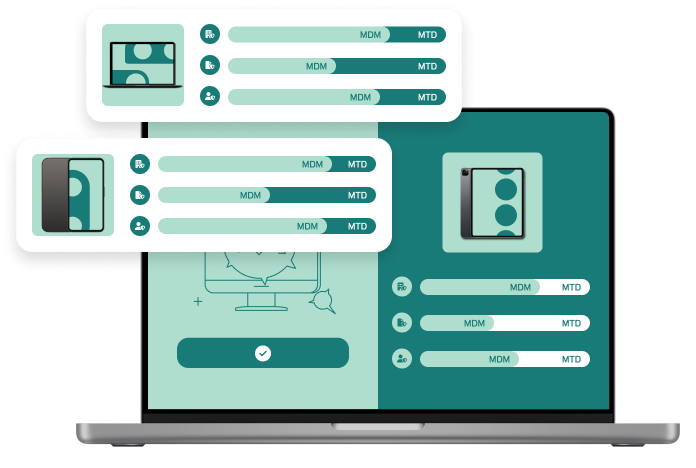
An MDM is not enough!
More than 90 percent of all companies already use mobile device management software. This helps to close some security gaps. However, MDM is completely powerless against many other mobile threats. Only when MDM and MTD solutions work together can the company device be secured against malware, phishing, bots, etc.
Find out more in our security whitepaper.
Download whitepaperAttack vectors on mobile devices
Their widespread use makes smartphones and tablets a favorite target of cybercriminals. A dedicated MTD solution is essential.
Your road to next–level device management
Request a tailored quote — our team will get back to you shortly.
Get a quote