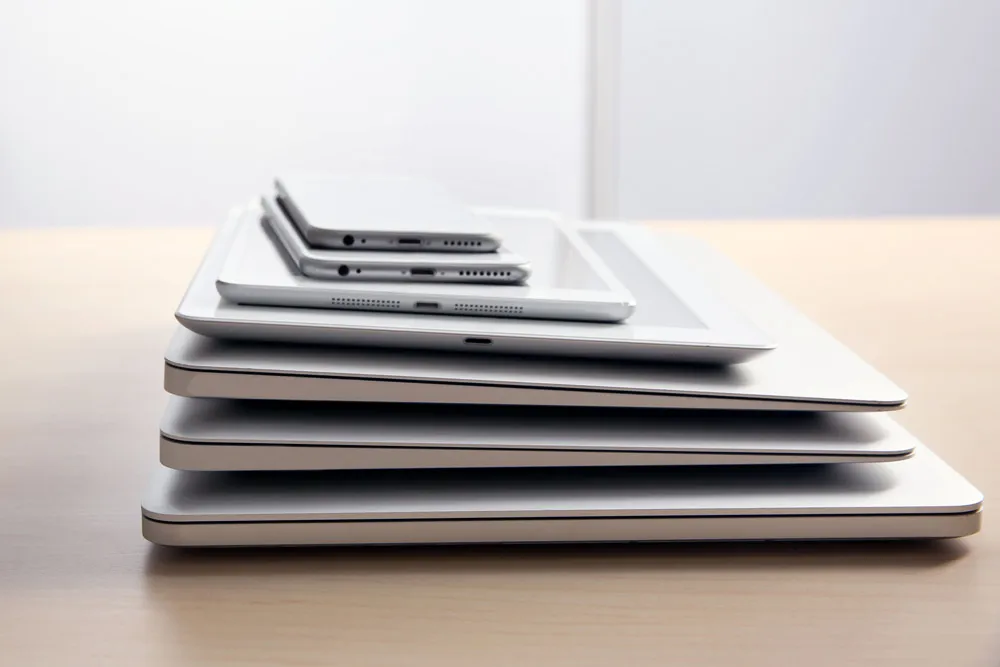
In a world where mobile devices such as smartphones and tablets are indispensable, managing them is becoming increasingly complex. Companies face the challenge of efficiently managing the entire lifecycle of a smartphone or other device – from procurement to disposal.
This is where device lifecycle management comes in. In this article, you will learn what device lifecycle management is, what benefits it offers, and how you can implement it optimally with modern tools and services.
You can also find more information here on lifecycle management as a service.
Device lifecycle management – what is it?
Device lifecycle management (DLM) describes the systematic approach to managing the lifecycle of IT devices such as smartphones, tablets, laptops, and other mobile devices within a company. The "lifecycle" of a smartphone or any other device consists of several phases:
Procurement: Selecting and purchasing the devices.
Deployment: Setting up and distributing the devices to employees.
Usage: The phase in which the device is used in day-to-day work.
Maintenance: Regular updates, repairs, and management of security policies.
Disposal: Safe and environmentally friendly recycling or reuse of old devices.
The goal of lifecycle management is to increase efficiency, reduce costs, and ensure the security of company data while the devices go through their entire lifecycle. For sustainability reasons, it is also desirable to maximize the lifespan of the devices.
Device lifecycle management: more than just an inventory
Many companies see the management of their devices merely as a form of inventory administration. But device lifecycle management goes far beyond that.
DLM involves not only the recording and monitoring of devices, but also the optimization of all processes associated with the use of these devices.
Effective lifecycle management helps you to:
Reduce costs: Better planning and utilization can lower purchase and operating costs.
Minimize security risks: Continuous monitoring and maintenance of devices ensures security vulnerabilities are detected and resolved early (see also: antivirus protection on company tablets).
Boost employee productivity: Providing up-to-date and fully functional devices allows employees to work more efficiently.
Promote sustainability: DLM can help reduce the number of devices required. It also avoids devices sitting around unused.
At Everphone, lifecycle management also means that we take back all rented devices and refurbish them for reuse. We manage to do this for around 98 percent of our devices. Only two percent are so damaged that refurbishing is no longer economical. These devices are then professionally recycled, recovering resources wherever possible.
Good device lifecycle management therefore ensures that every device is used optimally and, at the end of its lifecycle, is refurbished or safely disposed of.
Learn more here about sustainability with mobile devices.
MDM and device lifecycle management
Mobile device management software (MDM) is a central component of device lifecycle management. MDM solutions allow companies to manage and control mobile devices centrally. This includes:
Configuring device settings: Companies can centrally define and roll out policies and settings on all devices.
Deploying security updates: MDM tools allow security updates to be installed automatically on all devices.
Locating and locking devices: In the event of theft or loss, a device can be located via MDM and, if necessary, locked or wiped.
Managing apps and software: Companies can centrally manage, install, or uninstall apps.
MDM thus ensures smooth and secure management of mobile devices throughout their entire lifecycle.
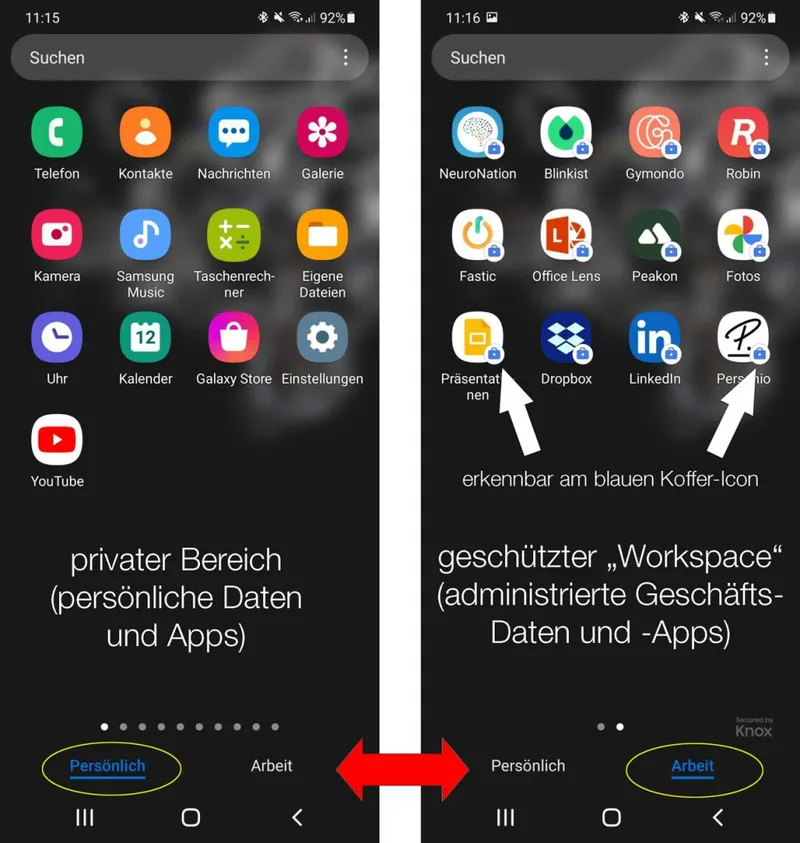
A key MDM function is the setup of a so-called workspace. This is an encrypted area in which company data is stored separately from private user data. This function is a prerequisite for private use of the device.
Device lifecycle management as a service: Device-as-a-Service
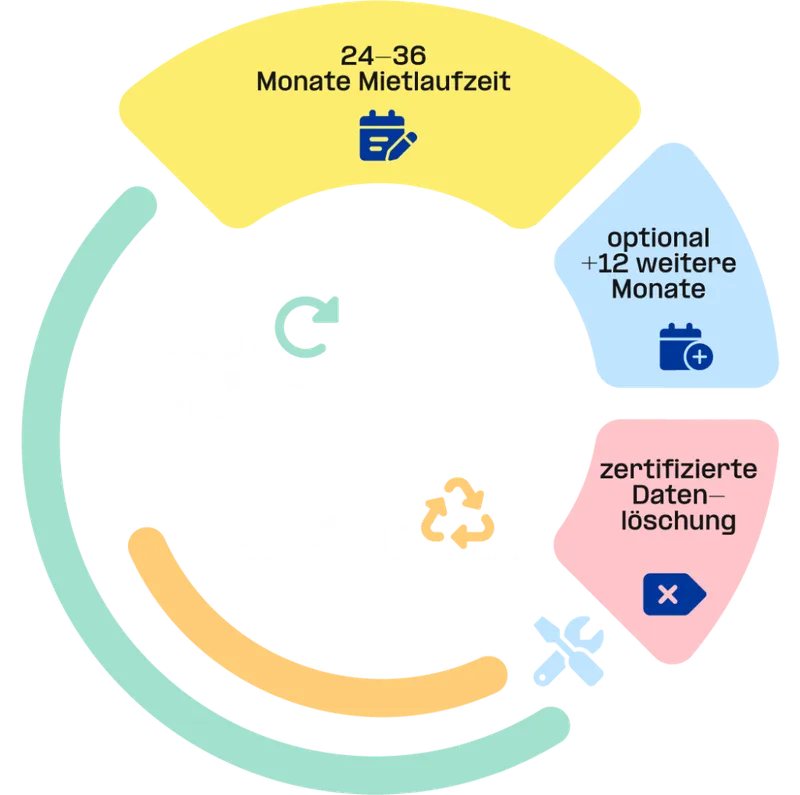
A new trend in device lifecycle management is "Device-as-a-Service" (DaaS). With this strategy, companies do not buy the devices, but rent them as an all-in-one solution. The provider handles the entire management of the device lifecycle – from procurement through maintenance to disposal.
The advantages of DaaS:
Cost efficiency: No high upfront investment, but predictable monthly rates.
Up-to-date devices: Companies always receive the latest devices, which boosts productivity and security.
All-round service: The provider takes care of maintenance, updates, and support.
DaaS is particularly attractive for companies that want to remain flexible while keeping control of their IT costs.
Device lifecycle management with Everphone
One of the pioneers in device lifecycle management for smartphones, tablets, and laptops is Everphone. We specialized in DaaS early on and offer companies a comprehensive solution for managing mobile devices.
With us, you can flexibly rent smartphones and rent tablets via DaaS; we are also happy to advise you on data protection, mobile security aspects, and compliance topics such as the whitelisting of apps.
With Everphone, your company benefits from:
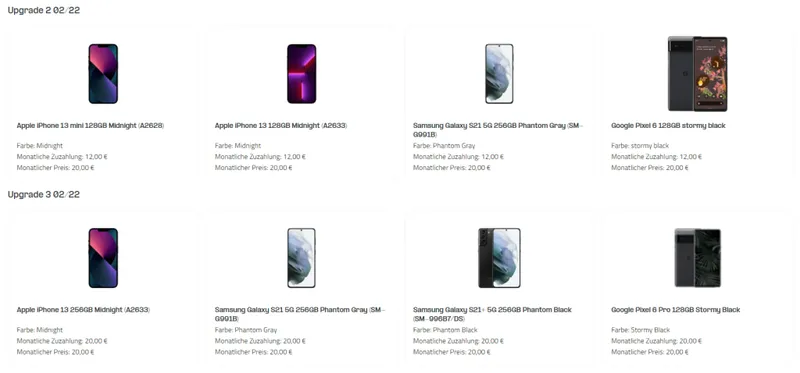
Individually tailored device pools: Companies can choose from a wide range of smartphones and tablets and flexibly adapt the devices as needed.
Choose-your-own-device: Employees can even pick their own device. If this leads to higher costs, employees simply contribute to the device rent ("co-payment").
Simple administration: All devices can be managed and monitored via a central platform. We also offer managed services specifically for MDM.
Comprehensive service: Everphone provides not only the devices themselves, but also maintenance, support, and the secure replacement of old devices.
By working with Everphone, companies can manage the entire lifecycle of their devices efficiently and cost-effectively.
Conclusion: Device lifecycle management is crucial for the efficient and secure use of IT devices in companies. Using MDM software is virtually indispensable.
With the DaaS model from specialized providers such as Everphone – combined with a well-organized management approach – the lifecycle of smartphones and other devices can be optimally designed.